The Stream Finance collapse timeline
On November 3, 2025, the decentralized finance ecosystem experienced a jarring shock when Stream Finance reported a $93 million loss. The protocol’s collapse was not a slow bleed but a sudden structural failure that immediately froze redemptions of its stablecoin, xUSD. This freeze triggered a severe devaluation, with xUSD dropping more than 73% against the US dollar on the first day of the event.
The immediate aftermath revealed the fragility of the exposure. While the direct loss stood at $93 million, the broader implications were far larger, with total exposure across the ecosystem reaching approximately $285 million. The speed of the devaluation highlighted how quickly liquidity can vanish when confidence in a protocol’s reserves is lost.
This timeline of events underscores the contagion risks inherent in interconnected DeFi protocols. As noted by S&P Global, the incident serves as a critical case study in understanding how risk exposures can cascade through the broader market. The rapid devaluation of xUSD and the freeze on redemptions set the stage for a wider analysis of how such events propagate through the DeFi landscape.
Mapping the $285M Exposure Vector
Stream Finance’s collapse was not an isolated incident; it was a structural failure that rippled through the broader DeFi ecosystem. On November 3, 2025, Stream reported a $93 million loss and froze redemptions of its stablecoin, xUSD, triggering a severe devaluation of over 73% on the first day of the event [SP Global]. While the direct loss was significant, the true scale of the damage lay in the indirect exposure that followed.
The mechanics of this contagion were driven by Stream’s aggressive stablecoin strategy and the high degree of composability inherent to DeFi. Lending protocols and yield aggregators had integrated xUSD into their core liquidity pools, assuming the stablecoin’s peg would hold. When the peg broke, these protocols faced immediate solvency risks, turning a single point of failure into a systemic crisis. Analysts at YAM estimated that total Stream-related debt, including this indirect exposure, reached approximately $285 million, excluding further indirect exposure via derivative stablecoins [The Block].
To understand the scope of the impact, we can compare the direct losses against the broader ecosystem exposure across major affected protocols. This table highlights how the initial $93 million loss expanded into a much larger liability chain.
| Protocol | Exposure Type | Estimated Exposure | Primary Impact |
|---|---|---|---|
| Stream Finance | Direct | $93M | Asset loss & redemption freeze |
| Suilend | Direct Lending | $45M | Collateral devaluation |
| YAM (Debt) | Indirect Debt | $285M | Systemic solvency risk |
| Derivative Stablecoins | Indirect | Uncapped | Peg instability cascade |
This data illustrates that the $285 million figure is not just a sum of lost funds, but a measure of interconnected risk. When one protocol fails, the composability that makes DeFi efficient also becomes its fatal weakness, spreading the shockwave to every counterparty holding the tainted asset.
Why composability became a liability
DeFi’s greatest strength—composability—was its fatal flaw in the Stream Finance collapse. Composability allows protocols to interact seamlessly, creating a deeply interconnected financial ecosystem. But this interconnectedness also means that a failure in one corner can ripple through the entire network with terrifying speed. There were no circuit breakers to halt the bleed.
When Stream Finance reported a loss of $93 million on November 3, 2025, and froze redemptions of its stablecoin, xUSD, the damage was immediate. The stablecoin devalued by over 73% on the first day alone, according to SP Global. This wasn't just a protocol-specific issue; it was a systemic shock. The $285 million in total exposure highlighted how much capital was tied to Stream's solvency across other platforms.
The structural risk was hidden in plain sight. As Suilend noted in their analysis, "aggressive stablecoin strategies can hide structural risk." Protocols had lent heavily to Stream, assuming the collateral was safe. When Stream's assets proved illiquid or overvalued, those lenders faced immediate insolvency risks. The lack of isolation meant that one bad bet became everyone's problem.
This contagion effect underscores a critical vulnerability in DeFi: the absence of mechanisms to contain failures. In traditional finance, bankruptcy filings and regulatory interventions can isolate risk. In DeFi, the chain continues to run, and the losses propagate instantly. Understanding this dynamic is essential for anyone assessing the true risk of interconnected protocols.
DeFi stream analysis tools for risk detection
When Stream Finance collapsed, it took nearly $93 million with it and exposed over $285 million in vulnerable positions. The speed of that contagion—where xUSD lost 73% of its value in a single day—wasn't just bad luck; it was a failure to monitor specific on-chain risk metrics. You can spot similar structural weaknesses in other DeFi protocols by tracking three critical data points: Total Value Locked (TVL) composition, debt-to-collateral ratios, and stablecoin peg stability.
TVL and Composition
Total Value Locked is the most obvious metric, but the headline number is misleading. In Stream’s case, the TVL included complex, illiquid market-making strategies that couldn't be exited quickly. Use DeFiLlama to drill down into the composition of that TVL. If a large percentage of locked value is tied up in non-liquid assets or leveraged positions, the protocol is fragile. A high TVL with low liquidity is a red flag, not a green light.
Debt Ratios and Leverage
Monitor the debt-to-collateral ratio across lending markets. Stream’s collapse was accelerated by the fact that its strategies were highly leveraged. When the underlying assets dropped, the protocol didn't have enough buffer to absorb the loss. Look for protocols where the borrowed amount approaches the value of the collateral. If a protocol is operating near its liquidation threshold, a small market move can trigger a cascade, just as it did with Stream.
Stablecoin Peg Stability
The depegging of xUSD was the final blow. Stablecoins that deviate from their $1.00 peg are often signaling deeper issues with solvency or market confidence. Use on-chain data to track the price of the stablecoin in question. If you see a stablecoin trading consistently below $0.99, especially during market stress, it’s a sign that the backing assets are insufficient or locked up. This metric is often the earliest warning sign of a liquidity crisis.
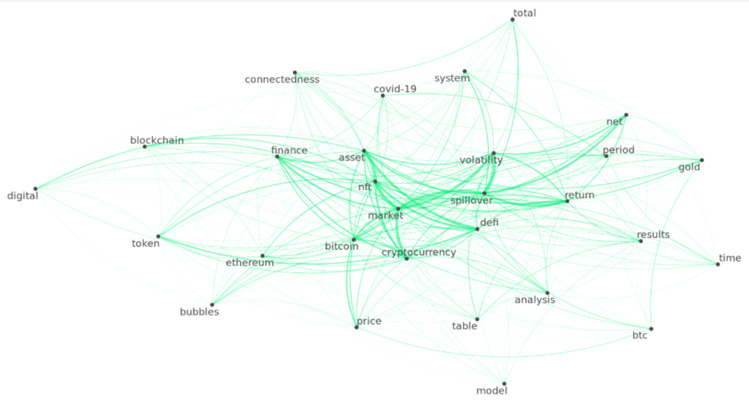
Price Widget: xUSD
The following widget shows the current status of xUSD. While the price may have stabilized since the initial crash, the historical volatility highlights the risk inherent in algorithmic or poorly backed stablecoins.
What this means for DeFi investors in 2026
The Stream Finance collapse is not just another failed protocol; it is a structural warning for 2026. With $93 million in direct losses and $285 million in total exposure, the event proved that stablecoin issuers are not immune to liquidity crunches. When xUSD devalued by 73% in a single day, it showed that credit risk in DeFi can move faster than any circuit breaker.
Investors must look beyond yield and audit scores. The contagion spread because of hidden interdependencies between lending protocols and stablecoin reserves. As [SP Global] noted, this event highlights the systemic risk inherent in these connected ecosystems. If one major issuer falters, the ripple effect can freeze redemptions across the board.
To protect capital, you need to verify the actual backing of stablecoins and trace the flow of funds through lending markets. Don’t assume that a protocol’s success guarantees the safety of its underlying assets. In 2026, due diligence means understanding the chain, not just the code.
Common questions about the Stream Finance event
The Stream Finance collapse in November 2025 serves as a stark case study in DeFi structural fragility. Below are answers to the most frequent questions regarding the incident, the mechanics of decentralized finance, and the broader risk landscape.
What happened to Stream Finance?
On November 3, 2025, Stream Finance reported a direct loss of approximately $93 million and subsequently froze redemptions of its stablecoin, xUSD. The event triggered an immediate loss of confidence, causing xUSD to devalue by over 73% on its first day. This collapse highlighted how concentrated risk exposures can rapidly spread through the broader DeFi ecosystem, affecting lenders and borrowers alike [SP Global].
What is DeFi analysis?
DeFi analysis involves evaluating the on-chain health and risk parameters of decentralized protocols. It uses blockchain technology to track transparent transactions, allowing analysts to verify asset security and monitor liquidity flows across platforms. Unlike traditional finance, this data is publicly accessible, enabling real-time assessment of protocol solvency and user control over assets [Coursera].
Can you make money on DeFi?
Users can generate yield by depositing eligible assets into DeFi Earn Vaults or lending markets. These platforms distribute rewards directly from the protocol’s lending activity, often utilizing embedded wallet technology to streamline the process. However, these returns come with smart contract risk and market volatility, as demonstrated by the recent losses in the Stream Finance incident [Kraken].
Is DeFi good or bad?
DeFi offers significant advantages in transparency and accessibility, allowing users to bypass traditional intermediaries. However, it also introduces unique risks, including code vulnerabilities and contagion effects where one protocol’s failure impacts others. The Stream Finance event underscores that while the technology is innovative, the structural risks require careful due diligence and risk management.
Helpful gear
Use these product recommendations as a starting point, then choose the size, material, and price point that fit how you actually use the gear.


As an Amazon Associate, we may earn from qualifying purchases.
No comments yet. Be the first to share your thoughts!