What is DeFi streaming?
DeFi streaming is the continuous distribution of liquidity over time, rather than as a single discrete event. In traditional finance and standard DeFi protocols, interest or rewards are typically paid out at the end of a lock-up period or on a fixed schedule. Streaming changes this model by distributing assets second-by-second as time passes.
Think of it like a faucet versus a bucket. Traditional yields are the bucket: you wait for the period to end, then you get the lump sum. DeFi streaming is the faucet: you can drink from it (withdraw) at any moment, and you only get what has flowed up to that exact second.
This infrastructure shifts the user experience from passive waiting to active control. If you need liquidity, you can stop the stream and withdraw your principal and accrued yield instantly. For protocols, it offers a more granular way to incentivize behavior, rewarding participation in real-time rather than at a distant future date.
Comparing the top DeFi stream protocols
When building a DeFi stream guide, you need infrastructure that moves money in real time without locking it up for days. The leading protocols—Superfluid, Stream Finance, and Radiant—each solve the streaming problem differently. One focuses on developer flexibility across many chains, another prioritizes ease of use for specific yield strategies, and a third leans into cross-chain liquidity.
Choosing the right one depends on where your capital lives and how granular your yield needs are. Below is a side-by-side breakdown of their current market positions, supported networks, and primary yield mechanisms.
| Protocol | Approx TVL | Key Chains | Yield Mechanism |
|---|---|---|---|
| Superfluid | $120M+ | Ethereum, Arbitrum, Polygon, Optimism | Token streaming (sToken) with native DeFi integrations |
| Stream Finance | $85M+ | Ethereum, BNB Chain, Arbitrum, Base | Streamable LP positions and vault-based yield |
| Radiant | $200M+ | Arbitrum, BNB Chain, Ethereum | Cross-chain capital efficiency with streaming rewards |
Superfluid remains the most widely adopted standard for pure token streaming. It allows users to send ETH or tokens second-by-second rather than in lump sums. This is ideal for payroll, subscriptions, or continuous liquidity provision. Its sToken standard has become the default for many DeFi applications that need real-time value transfer.
Stream Finance takes a different approach by focusing on streamable liquidity positions. Instead of just streaming tokens, it allows users to stream yield generated from liquidity pools. This means your capital works harder while it moves, turning static LP positions into dynamic income streams. It’s particularly useful for users who want to maintain exposure to DeFi yields without locking their capital.
Radiant Capital bridges the gap between cross-chain lending and streaming. It uses its cross-chain liquidity engine to move capital efficiently between chains, then layers streaming rewards on top. This is best for users who already operate across multiple networks and want to optimize yield without managing multiple isolated positions.



As an Amazon Associate, we may earn from qualifying purchases.
For anyone handling significant DeFi volumes, hardware security is non-negotiable. These wallets keep your private keys offline while still allowing you to interact with streaming protocols. They’re not part of the yield calculation, but they protect the yield you’re earning.
Superfluid’s native token, SUPER, often moves in correlation with overall DeFi streaming adoption. Watch the chart above for trends in developer activity and protocol usage. If you’re building a DeFi stream guide, tracking SUPER’s volume can signal shifts in the streaming infrastructure landscape.
Infrastructure tools for analysis
Monitoring streaming yields requires more than a casual glance at a portfolio. You need infrastructure that tracks liquidity flow in real time. Without the right tools, you are flying blind, unable to distinguish between organic growth and temporary yield spikes.
On-chain explorers like Etherscan or Solscan provide the raw data. They show you exactly where funds are moving. However, raw transaction logs are difficult to interpret quickly. You need dashboards that aggregate this data into readable metrics.
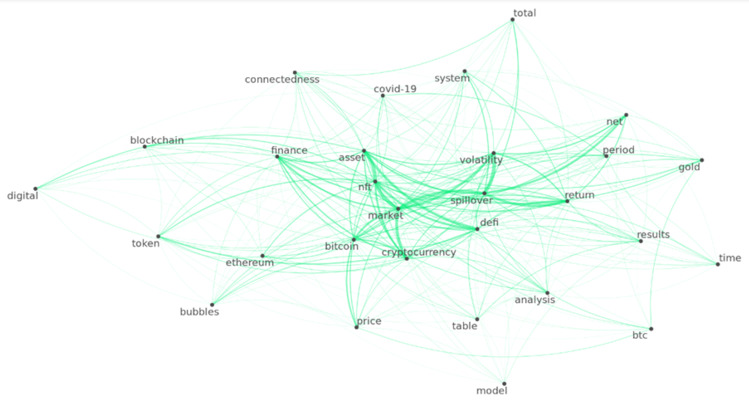
Real-time data dashboards bridge this gap. They visualize TVL (Total Value Locked) and yield rates across protocols. These tools help you spot trends before they appear in traditional financial reports. For a deeper understanding of how these systems are analyzed, see this analysis of decentralized finance infrastructure.
To visualize market movement, we use a live chart of a major streaming protocol's token. This helps you correlate price action with yield fluctuations.
Strategy tradeoffs and risks
Streaming yields offer a compelling alternative to traditional fixed-term deposits, but they introduce a distinct set of risks that static DeFi strategies often avoid. The core tension lies in the difference between a one-time transaction and a continuous flow of value. When you lock assets in a standard lending pool, the risk profile is relatively static. In a DeFi stream, you are managing a position that is constantly exposed to market volatility, smart contract vulnerabilities, and protocol-specific failure modes. Understanding these tradeoffs is essential for anyone treating streaming as a serious yield strategy rather than a speculative experiment.
Smart Contract and Protocol Risk
The most immediate danger in streaming yield is the integrity of the underlying code. Unlike a simple deposit, streaming protocols often rely on complex logic to manage continuous payments, including pause mechanisms, oracle feeds for real-time pricing, and cross-chain bridges. Each additional component increases the attack surface. If a streaming protocol’s smart contract is compromised, the continuous nature of the yield can become a liability, allowing attackers to drain funds faster than in a static pool.
Additionally, streaming often involves interoperability between multiple protocols. A yield stream might pull liquidity from one DEX and route it through an aggregator. If any link in this chain fails—whether due to a bug, a flash loan attack, or an oracle manipulation—the entire stream can break. The Hedera learning guide notes that for those new to DeFi, sticking to well-known, open-source projects is the safest way to mitigate faulty code risks. In the streaming space, this means favoring protocols with extensive audit histories and bug bounty programs over newer, untested implementations.
Impermanent Loss and Slippage
Streaming yields frequently rely on Automated Market Makers (AMMs) or liquidity pools to generate returns. This introduces the risk of impermanent loss, which occurs when the price of the streamed assets diverges significantly from each other. In a static position, you can choose to hold through volatility. In a streaming position, the continuous rebalancing or conversion of assets can crystallize losses if the stream is not designed to hedge against price divergence.
Additionally, the real-time nature of streaming means that slippage can accumulate over time. If the market moves sharply against the streamed asset, the yield generated may be offset by the cost of converting assets at unfavorable rates. This is particularly relevant for streams that involve volatile assets like stablecoins pegged to fiat or emerging crypto tokens. Traders must carefully monitor the spread between the streamed yield and the market price to ensure the strategy remains profitable.
Managing Continuous Positions
The operational complexity of streaming yields is often underestimated. Managing a continuous position requires active monitoring and, in many cases, automated tools to handle rebalancing, risk management, and exit strategies. Unlike a buy-and-hold strategy, a streaming position can drift from its intended risk profile if not actively managed.
For example, if a stream is designed to yield 5% annually but the underlying asset drops 20% in a week, the yield does not compensate for the principal loss. Traders must be prepared to pause or terminate streams quickly if market conditions deteriorate. This requires a level of engagement and technical proficiency that may not be suitable for passive investors. The key is to understand that streaming yield is not a set-and-forget solution; it is an active management strategy that demands constant attention to market dynamics and protocol health.
Build a streaming portfolio
Building a streaming portfolio requires more than just picking the highest APY protocol. Real-time yield infrastructure moves fast, and capital allocation needs a structured approach to manage smart contract risk and liquidity exposure. By treating each stream as a distinct position with a defined lifespan, you can scale your DeFi Stream guide implementation without overexposing your principal to a single protocol failure.
Start by verifying the security posture of any streaming yield platform. Prioritize open-source projects with established audit histories from reputable firms. For beginners, sticking to well-known, trusted protocols reduces the risk of faulty code or exploits. Check if the protocol’s smart contracts have been independently verified on-chain.

Avoid concentrating your capital in one streaming service. Spread your exposure across multiple protocols and, if possible, different blockchain networks. This diversification strategy helps mitigate the impact of a single point of failure. If one streaming pool experiences a liquidity crunch or a smart contract vulnerability, your overall portfolio remains protected.

Streaming yields are often tied to liquidity pools. Ensure the pool has sufficient depth to handle your entry and exit without significant slippage. Low liquidity can lead to poor execution prices, especially during market volatility. Regularly monitor the pool’s health to ensure your streaming strategy remains efficient and cost-effective.
If your streaming yield involves providing liquidity in automated market makers (AMMs), be aware of impermanent loss. This occurs when the price of the assets in the pool changes relative to when you deposited them. Understand how the streaming mechanism interacts with price movements to avoid unexpected losses that outweigh your yield gains.
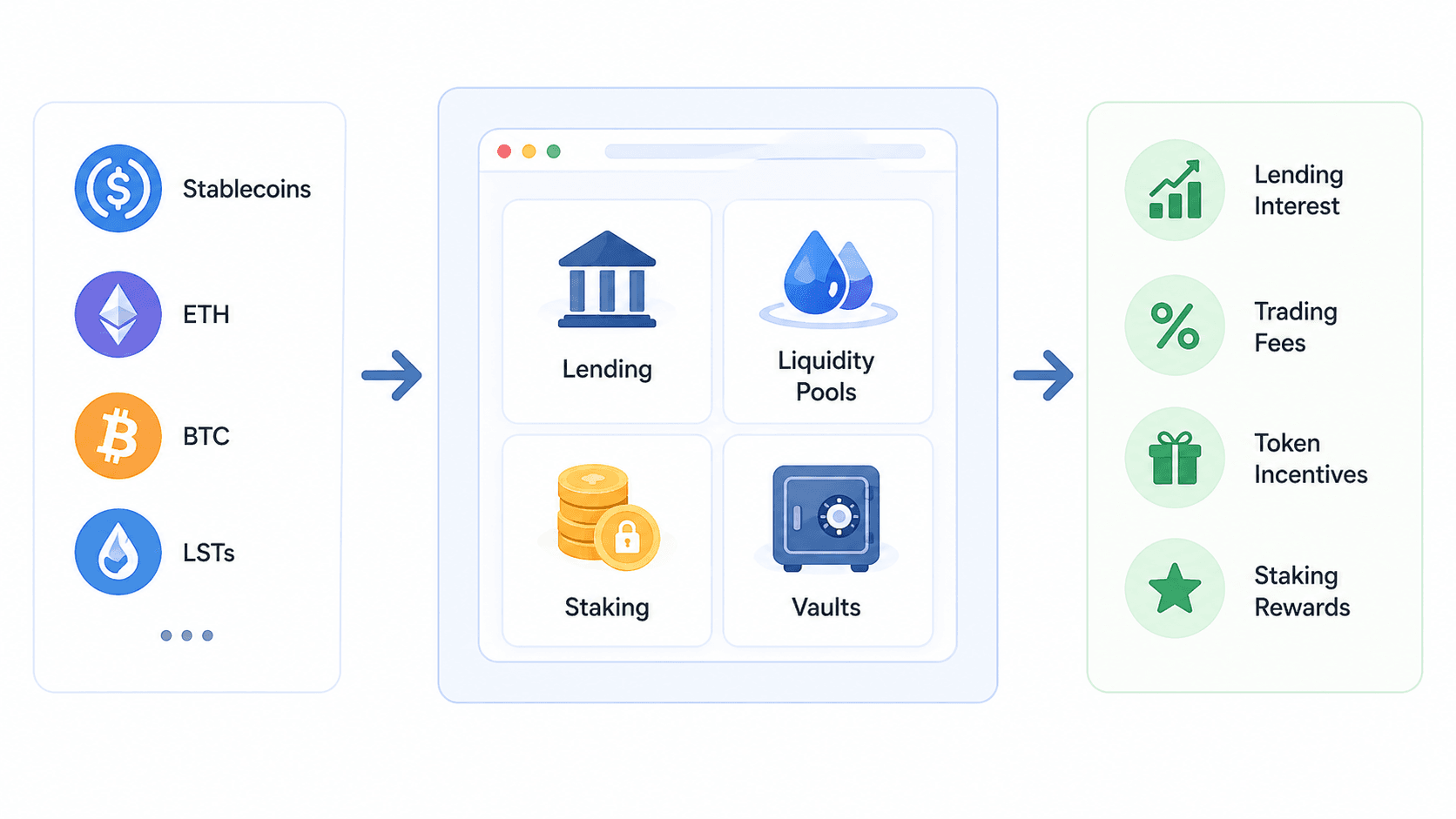
Define your exit criteria before you deploy capital. Streaming yields often have lock-up periods or specific withdrawal conditions. Know exactly when and how you can withdraw your funds and any associated fees. Having a clear exit strategy prevents you from being trapped in a underperforming stream or facing unexpected penalties.
-
Verify smart contract audits from reputable firms
-
Check protocol liquidity depth and recent TVL trends
-
Confirm impermanent loss mechanics for AMM-based streams
-
Review withdrawal conditions and any lock-up periods
-
Ensure wallet security and separate hot/cold storage
Is DeFi streaming safe for beginners?
DeFi streaming introduces real-time yield infrastructure to a space where code vulnerabilities can lead to instant, irreversible losses. For beginners, the primary risk isn't market volatility but smart contract exploits. Unlike centralized platforms that offer customer support or insurance funds, DeFi protocols rely entirely on their underlying code. If the code is flawed, your funds are gone.
The safest entry point is sticking to established, open-source protocols that have undergone rigorous third-party audits. Reputable projects publish their audit reports on platforms like Immunefi or Code4rena, allowing anyone to verify the security assessment. Avoiding new, unaudited "yield farming" opportunities significantly reduces exposure to common attack vectors like reentrancy or oracle manipulation.
No comments yet. Be the first to share your thoughts!