What DeFi streams actually are
DeFi streaming refers to the continuous, second-by-second transfer of tokens between wallets or smart contracts. Unlike traditional batched transactions—where funds move in discrete, lump-sum chunks at fixed intervals—streaming treats liquidity like a flow rather than a bucket. This distinction matters because it changes how capital is allocated, settled, and exposed to risk.
In a standard DeFi transaction, you might swap 100 USDC for ETH in a single atomic step. The entire amount moves at once. In a stream, that same 100 USDC might be released gradually over an hour, minute by minute. If the counterparty defaults or the market crashes, the loss is proportional to how much has already been sent, not the full principal. This proportional settlement significantly reduces counterparty risk compared to traditional lump-sum transfers.
This real-time liquidity model is foundational for infrastructure analysis. It enables use cases that batched transactions cannot support efficiently, such as payroll, subscription services, or dynamic yield farming where capital is deployed and withdrawn based on real-time performance metrics. For infrastructure analysts, understanding these flows is essential because the speed and continuity of data capture directly impact the accuracy of liquidity assessments.
Track Liquidity in Real Time
Static snapshots of total value locked (TVL) tell you how much capital is sitting in a protocol, but they rarely reveal where that capital is actually going. In DeFi streaming, liquidity is not a static reservoir; it is a current. To gauge protocol health, you need to watch the velocity of that flow. When stream volumes spike while the underlying asset price remains flat, it often signals genuine demand for time-weighted access rather than speculative position building.
Relying on delayed data leaves you vulnerable to "zombie liquidity"—capital that appears healthy on a daily chart but has effectively dried up by the time you react. Real-time tracking exposes these gaps. You can see if a stream is being fully funded, if participants are front-running the rate, or if the liquidity pool is being drained faster than it can be replenished. This visibility is the difference between managing risk and guessing at it.
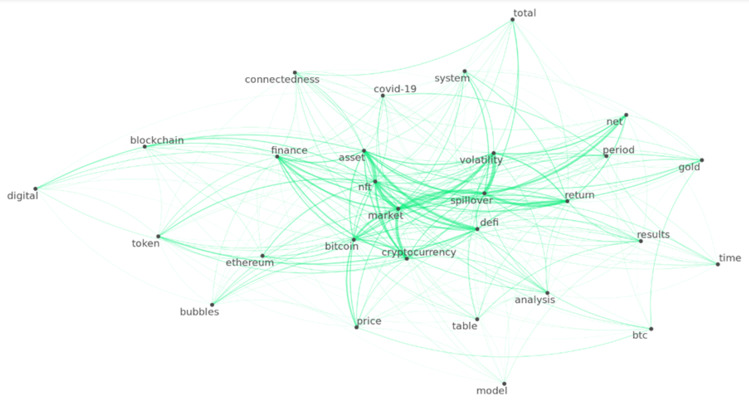
The image below illustrates the complex, interconnected nature of these flows. Just as a biological system requires constant monitoring of blood flow to detect blockages, a DeFi protocol requires live telemetry of liquidity streams to detect stress before it becomes a solvency crisis.
To visualize this, we look at the correlation between streaming volume and asset price action. A healthy DeFi stream should show volume moving in tandem with or slightly ahead of price discovery, indicating organic growth. If volume drops while price rises, the rally is likely unsupported by actual utility, suggesting a bubble. Conversely, rising volume with stagnant price can indicate accumulation by long-term holders.
This chart shows ETH/USDT with volume indicators. Notice how significant price movements are almost always accompanied by a surge in volume. In streaming contexts, this volume represents the rate at which capital is being committed to time-locked contracts. A lack of volume during price spikes suggests that the liquidity is thin and vulnerable to rapid reversal.
Compare DeFi streaming infrastructure
Choosing the right DeFi streaming protocol depends on which chains you support and how you handle fees. The table below contrasts the three main infrastructure providers active in 2026.
| Provider | Supported Chains | Fee Model | API Type |
|---|---|---|---|
| Streamflow | EVM, Solana | % of stream | REST/GraphQL |
| Superfluid | EVM, Polygon | % of stream | SDK/Smart Contracts |
| Synthetix Streams | Optimism | % of stream | REST API |
Streamflow offers broad multi-chain support, making it the go-to for cross-chain liquidity. Superfluid remains the standard for EVM-native developers due to its lightweight SDK. Synthetix Streams are optimized for the Optimism ecosystem, providing lower gas costs for high-frequency payouts.
All three providers use a percentage-of-stream fee model, meaning you only pay when liquidity actually flows. This aligns their incentives with your success. For high-volume streams, the API type becomes the deciding factor: REST and GraphQL endpoints (Streamflow, Synthetix) offer faster off-chain indexing, while Superfluid’s SDK requires more on-chain interaction.
Essential tools for stream analysis
To navigate DeFi streams effectively, you need software that moves faster than the market. Static spreadsheets won't cut it when liquidity shifts in seconds. You need dashboards that track real-time inflows, token velocity, and smart contract interactions across multiple chains. These tools act as your radar, spotting opportunities before they become crowded trades.
Top DeFi Analytics Platforms
Dune Analytics remains the gold standard for custom blockchain queries. It allows you to build SQL-based dashboards that track specific stream behaviors, such as liquidity provider movements or arbitrage opportunities. If you need raw data transparency, this is where you start. For broader market overviews, DeFi Llama provides comprehensive TVL (Total Value Locked) tracking across protocols, helping you gauge where capital is flowing.
Real-Time Monitoring Dashboards
Tools like Nansen and Arkham Intelligence offer AI-driven labeling of wallet addresses. This is crucial for identifying "smart money" flows. Instead of guessing which protocol is gaining traction, you can see exactly which sophisticated wallets are adding liquidity to specific streams. This level of granularity transforms guesswork into evidence-based decisions.
Market Data Widgets
No analysis is complete without live price action. Use the widget below to monitor the underlying asset's performance in real-time. This helps you correlate stream activity with price volatility, ensuring you aren't entering positions during sudden market dips.
Security and Hardware Essentials
While software tools help you analyze streams, hardware security ensures you can act on those insights safely. Managing multiple wallets across different DeFi protocols increases your attack surface. A dedicated hardware wallet is non-negotiable for storing the assets you intend to deploy. For those looking to deepen their understanding of infrastructure security, the following resources offer practical guidance on securing your digital assets.


As an Amazon Associate, we may earn from qualifying purchases.
Security checks before you stream
Before you deploy capital into a DeFi stream, treat the smart contract like a vault with a complex lock. If the code has a flaw, no amount of yield will save your principal. Security isn't just a feature; it's the foundation. You need to verify that the infrastructure holding your liquidity is robust against the most common attack vectors.
Start with the smart contract audit. Reputable protocols undergo rigorous reviews by independent firms like OpenZeppelin or Trail of Bits. These audits identify vulnerabilities in the code logic. Look for audit reports published on the project’s official site or GitHub. An unaudited contract is a high-risk gamble. Even audited contracts can have issues, so check if the audit is recent and if critical bugs were fixed.
Next, evaluate the oracle reliability. DeFi streams often rely on oracles to fetch real-world price data. If an oracle is manipulated, the stream’s logic could trigger incorrect payments or liquidations. Prefer decentralized oracle networks like Chainlink, which aggregate data from multiple sources to reduce manipulation risk. Avoid protocols that use single-source oracles for critical price feeds.
Finally, confirm the existence of emergency pause mechanisms. Good DeFi design includes a "circuit breaker" that allows administrators or governance token holders to pause the contract if an anomaly is detected. This feature can prevent catastrophic losses during a hack or market crash. Check the protocol’s documentation to see if this mechanism exists and who controls it.
Look for recent audits from reputable firms like OpenZeppelin. Check if critical vulnerabilities were addressed. Avoid unaudited contracts unless you are an expert.
Ensure the protocol uses decentralized oracles like Chainlink. Single-source oracles are vulnerable to manipulation. Verify the data sources for price feeds.
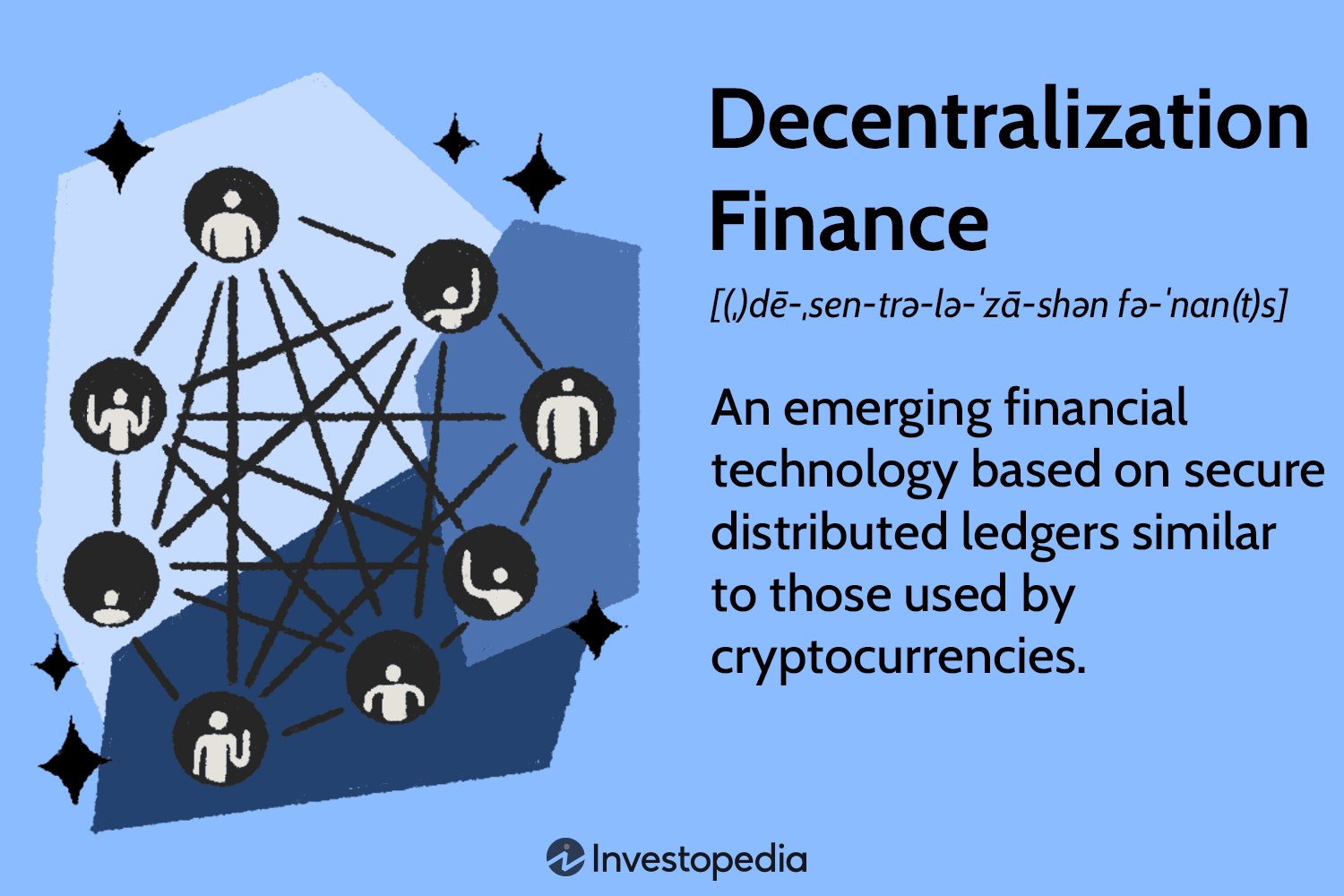
Check if the contract has a pause function. This allows administrators to halt operations during a hack or anomaly. Verify who controls the pause button.
No comments yet. Be the first to share your thoughts!