What defines modern DeFi streaming
The shift from static liquidity pools to continuous value transfer is reshaping how capital moves on-chain. Traditional decentralized finance relies on batch-settled transactions where liquidity sits idle until a trade occurs. Streaming changes this dynamic by treating money like a flowing river rather than a reservoir. Instead of locking assets in a pool for indefinite periods, protocols now allow value to accrue in real time, second by second.
This infrastructure change matters because it aligns incentives with actual usage. In static models, liquidity providers earn fees based on volume spikes, often disconnected from the underlying utility of the asset. Streaming enables yield to accrue continuously based on the duration and velocity of capital deployment. This reduces the friction of settlement and allows for more granular risk management, as positions can be adjusted or exited instantly rather than waiting for market windows.
The Ethereum Foundation notes that one of the core benefits of this evolution is the ability to "stream money around the globe" with the same ease as sending a message. This granularity transforms DeFi from a speculative trading layer into a functional financial infrastructure. It supports use cases like payroll, subscription services, and real-time collateralization that were previously impossible or inefficient in a batch-settled world.
By removing the latency between action and settlement, streaming protocols create a more responsive market. Capital is no longer trapped in idle states; it flows where it is needed most, instantly. This efficiency is the defining characteristic of modern DeFi infrastructure, moving the ecosystem toward a model where value transfer is as seamless as data transfer.
The Infrastructure Stack for Real-Time Flows
Streaming liquidity doesn't exist in a vacuum; it requires a specific technical stack designed to handle continuous, second-by-second settlement. Unlike traditional batched DeFi transactions that settle at the end of a block or day, streaming protocols demand infrastructure that can process micro-payments and adjust collateral in real time without clogging the network.
The DeFi ecosystem is generally built across five layers: Settlement, Asset, Protocol, Application, and Aggregation. For streaming, the interaction between these layers is critical. The Settlement layer (the base blockchain) must handle high throughput, while the Protocol layer manages the logic of the stream itself. If these layers are not optimized for low latency, the stream will bottleneck, causing slippage or failed settlements.
To understand the difference, consider how traditional DeFi compares to streaming infrastructure:
| Feature | Traditional Batch DeFi | Real-Time Streaming |
|---|---|---|
| Settlement | Block-end or daily | Continuous, second-by-second |
| Capital Efficiency | Locked until withdrawal | Released and re-allocated instantly |
| Risk Exposure | Binary (all-or-nothing) | Gradual, adjustable in real time |
| Latency Requirement | Low (seconds) | Ultra-low (milliseconds) |
This shift from batched to continuous settlement changes the entire risk profile. In traditional DeFi, you lock capital and wait. In streaming, capital is in constant motion, requiring protocols to monitor health continuously. This is why infrastructure providers are focusing on reducing latency at the protocol level, ensuring that the stream can adjust to market changes before a position becomes undercollateralized.
Streaming Protocol Risks and Systemic Exposure
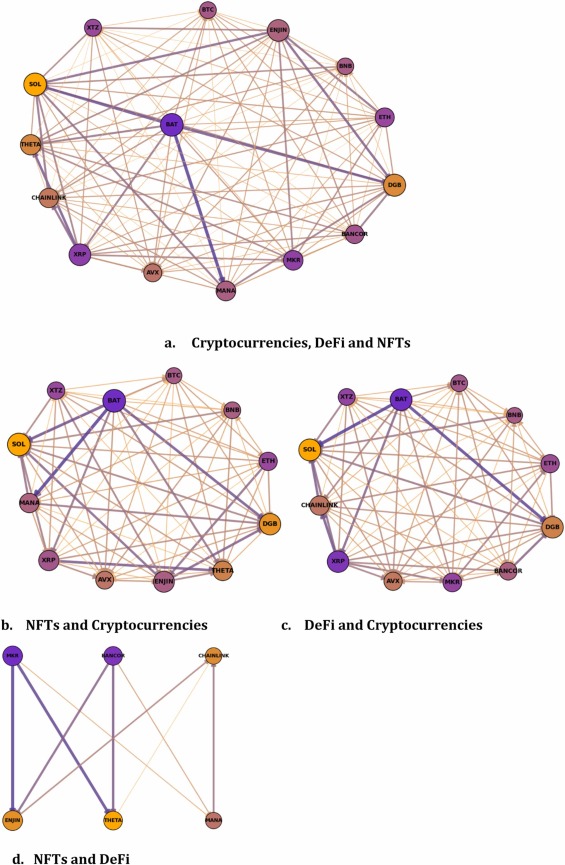
DeFi streaming introduces a unique vulnerability: the decoupling of capital deployment from immediate market risk. When funds flow continuously rather than as a single lump sum, protocols can accumulate hidden exposures that remain invisible until the flow stops. The collapse of Stream Finance serves as a primary case study for how this structural flaw can trigger cascading failures across the broader ecosystem.
Stream Finance’s downfall was not just a smart contract failure but a liquidity crisis that rippled through dependent protocols. As the streaming rate slowed or halted, counterparties like Trevee found themselves exposed to stale valuations and unbacked liabilities. This demonstrates that streaming protocols do not operate in isolation; their health is inextricably linked to the real-time solvency of every protocol that relies on their continuous cash flow.
The systemic risk here is similar to a dam holding back water. As long as the flow is steady, the pressure seems manageable. But if the source dries up or the structure weakens, the sudden release of trapped capital can overwhelm the entire system. For liquidity providers, this means that yield from streaming protocols carries a hidden "flow risk" that traditional lending markets do not face.
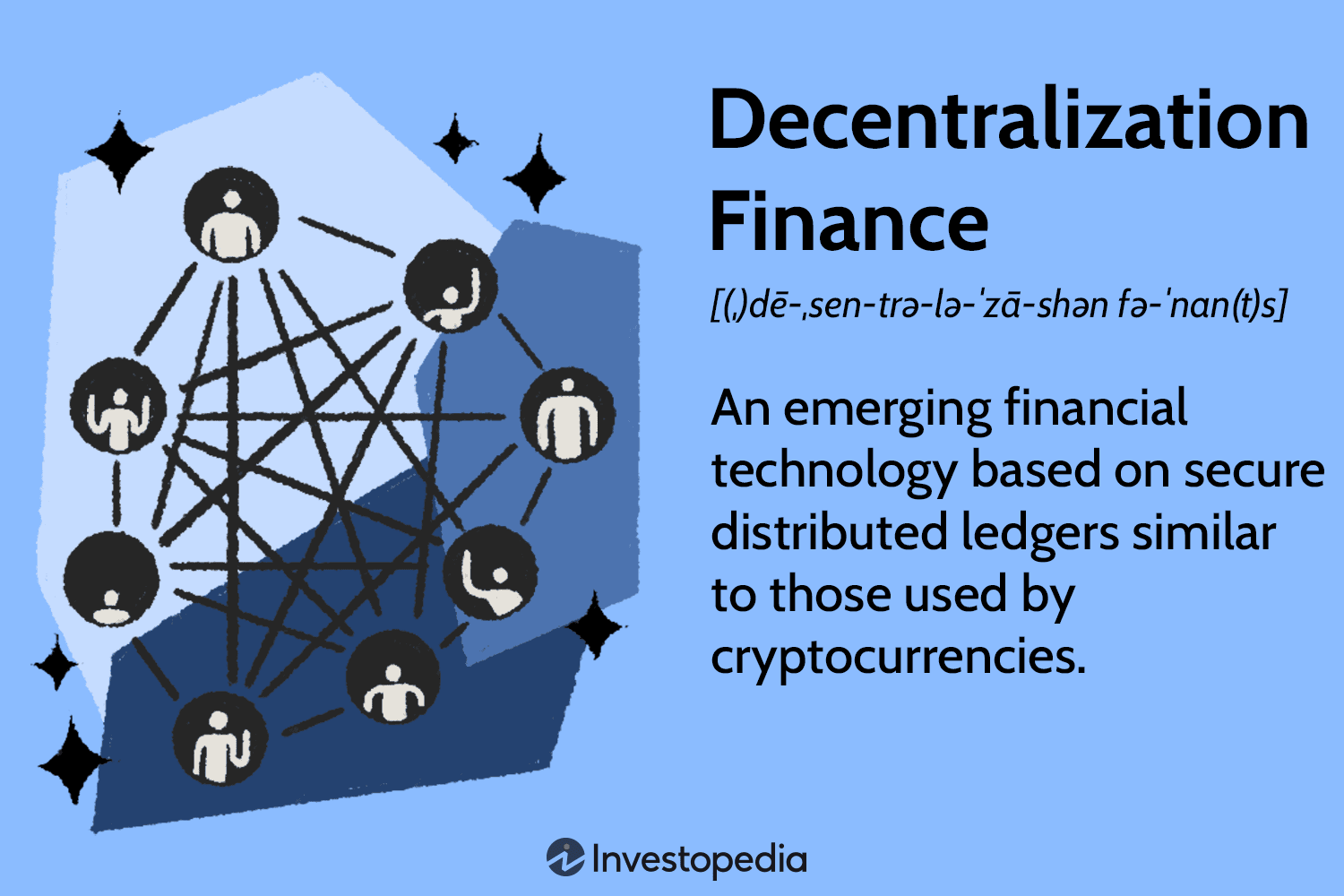
To understand the volatility these protocols introduce, consider the market sensitivity of major streaming assets. The chart below illustrates how quickly trust can evaporate when the underlying infrastructure fails, turning stable yield into volatile risk.
The lesson for 2026 is clear: streaming liquidity is not inherently safer than static liquidity. It requires more rigorous monitoring of counterparty exposure and real-time solvency checks. Without these safeguards, the convenience of continuous cash flow becomes a liability that can drain entire portfolios.
Strategies for resilient DeFi streams
Building a resilient DeFi stream requires moving beyond simple yield chasing. In 2026, the focus shifts to structural integrity, risk mitigation, and clear revenue recognition. Whether you are a user or a builder, treating your liquidity like a business operation rather than a gamble is the only way to survive market volatility.
Don’t concentrate liquidity in a single high-yield pool. Spread exposure across the DeFi stack: settlement layers (like Ethereum L1 or L2s), protocol layers (lending/borrowing), and application layers (DEXs). This reduces the impact of a single protocol failure. Think of it as not putting all your capital in one basket, even if that basket is offering the highest yield.
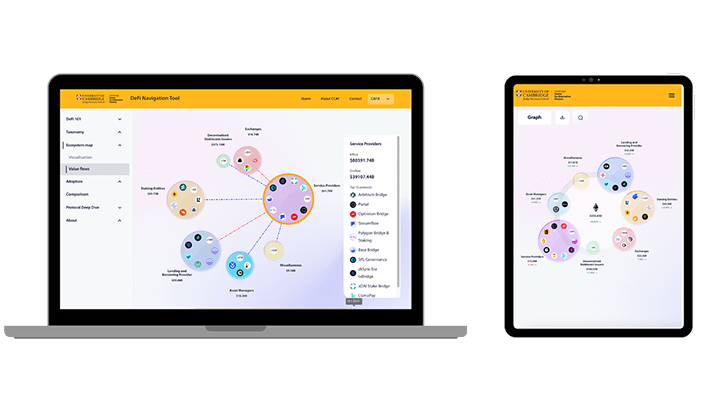
Static APY numbers are misleading. Use dashboards that track TVL (Total Value Locked), utilization rates, and smart contract audit status. Tools like DefiLlama provide transparent data on where liquidity is flowing. If a protocol’s TVL drops suddenly or its utilization spikes above 90%, it’s a warning sign of potential instability or imminent liquidation cascades.

For builders and serious investors, accounting matters. DeFi revenue isn’t just token price appreciation; it includes transaction fees, staking rewards, and governance incentives. These have different tax and audit implications. Refer to official guides like the Iota Finance accounting guide to understand how to classify these revenue streams correctly, ensuring your bookkeeping survives a regulatory audit.
Never interact with unaudited code. Prioritize protocols that have undergone multiple audits from reputable firms (like OpenZeppelin or Trail of Bits). Additionally, use hardware wallets for large positions and consider multi-signature wallets for treasury management. This adds a layer of security that protects against both external hacks and internal mismanagement.
| Strategy | Risk Level | Effort |
|---|---|---|
The goal isn’t to eliminate risk entirely, but to manage it intelligently. By diversifying, monitoring, and understanding the financial mechanics, you build a stream that can withstand the turbulence of the DeFi market.
Frequently asked questions about DeFi streams
DeFi streams represent a shift from static liquidity to continuous capital deployment. Understanding the underlying infrastructure and realistic returns is essential for navigating this high-stakes environment.
No comments yet. Be the first to share your thoughts!