Why streaming liquidity matters now
DeFi is moving from static pools to continuous flow. This shift isn't just a technical upgrade; it's a fundamental change in how capital behaves. Traditional liquidity sits idle until a swap happens, creating gaps in price efficiency and capital utilization. Streaming liquidity fills those gaps, providing constant depth and reducing slippage for traders.
For 2026 infrastructure, this means protocols are prioritizing tools that support real-time settlement. The dominance of streaming lies in its ability to align incentives. When liquidity providers earn yield continuously rather than per-transaction, they stay engaged longer, stabilizing the ecosystem against sudden withdrawals.
The market reflects this transition. Ethereum's recent price action shows how quickly static liquidity can evaporate during volatility. Continuous flow acts as a shock absorber, smoothing out these spikes and keeping the network functional under pressure.
Top DeFi Stream Tools for 2026
Streaming payments are shifting from experimental features to core infrastructure. If you are building a protocol that relies on continuous value flow, you need tools that handle liquidity, security, and integration without slowing you down. The market has settled on a few reliable options that balance performance with decentralization.
1. Livepeer
Livepeer has become the standard for decentralized video infrastructure, but its streaming model applies directly to data and value streams. It uses a proof-of-stake network where transcoders compete to process tasks. For DeFi, this means you can stream compute power or data feeds in real-time, paying only for what is used.
- Best for: Projects needing high-throughput, verifiable data streams.
- Key Feature: Dynamic pricing based on network load.
2. Helium Mobile
While known for wireless coverage, Helium’s tokenomics model is a masterclass in streaming rewards. Users earn HNT by providing coverage, but the underlying infrastructure allows for micro-payments that settle instantly. This is ideal for DeFi applications that require constant, small-value transactions between nodes or devices.
- Best for: IoT and device-to-device microtransactions.
- Key Feature: Instant settlement on a low-cost L2.
3. Render Network
Render connects GPU providers with users who need computing power. The streaming aspect comes from the continuous allocation of resources. Instead of renting a server for a month, you stream GPU cycles as needed. This flexibility is crucial for DeFi projects running complex simulations or AI models that require variable computational loads.
- Best for: Variable compute needs and AI-driven DeFi.
- Key Feature: On-demand resource allocation.
4. Arweave
Arweave offers permanent data storage, but its "pay once, store forever" model is evolving into a streaming-friendly architecture for metadata. DeFi protocols can stream smart contract state changes or audit logs to Arweave, ensuring immutability without the recurring costs of cloud storage. This is vital for compliance and transparency in high-stakes financial applications.
- Best for: Immutable audit trails and metadata storage.
- Key Feature: Permanent, cost-effective storage.

| Tool | Primary Focus | Cost Model | Ease of Integration |
|---|---|---|---|
| Livepeer | Video & Data | Pay-per-use | Moderate |
| Helium Mobile | Wireless & Micro-pays | Token-based | Easy |
| Render Network | GPU Compute | On-demand | Complex |
| Arweave | Data Storage | One-time fee | Moderate |


As an Amazon Associate, we may earn from qualifying purchases.
Analyzing Protocol Efficiency and Costs
Streaming assets on-chain introduces a distinct economic layer compared to traditional spot trading. The primary friction point is gas efficiency; because every second of a stream is a state update, protocols that batch these updates or utilize Layer 2 solutions significantly reduce the cost-per-byte. If your gas fees exceed the yield generated, the infrastructure becomes economically unviable.
To understand the real cost, you need to look at live network conditions rather than static averages. Ethereum’s base fee fluctuates with demand, directly impacting the profitability of high-frequency streaming protocols. Using a live price widget helps contextualize these costs against the asset being streamed.
When comparing infrastructure, the trade-off is rarely just about speed—it’s about the total cost of ownership. Some protocols offer lower gas fees but require higher minimum lock-ups, while others provide instant liquidity at a premium. The table below breaks down the core economic mechanics of the leading streaming infrastructure options.
| Protocol | Gas Efficiency | Yield Model | Min. Lockup |
|---|---|---|---|
| Stream Finance | High (L2) | Variable APY | 1 ETH |
| Sweat Economy | Medium | Fixed Rate | No Min. |
| Morpher | Low (L1) | Market Rate | 0.1 ETH |
| Goldfinch | High (Batch) | Borrower Paid | N/A |
The data suggests that for small-scale streaming, Layer 2 solutions dominate due to negligible gas costs. However, for large institutional flows, the liquidity depth of L1 protocols often outweighs the gas premium. Always calculate the net yield after estimated gas fees before committing capital.
Build a resilient stream strategy
Streaming payments require a different mindset than traditional DeFi interactions. You are not just locking funds; you are managing a continuous flow of capital that exposes you to ongoing price volatility and smart contract risk. To build a resilient strategy, you need to treat your streaming infrastructure like a utility grid—reliable, monitored, and diversified.
Start by choosing a protocol with a proven track record. Stream Finance and Superfluid are the current standards for permissionless, on-chain streaming. These protocols handle the complex logic of calculating owed funds in real-time, allowing you to stream tokens like ETH, USDC, or DAI without manual transactions. Prioritize protocols that have undergone multiple security audits and have significant total value locked (TVL) to minimize counterparty risk.
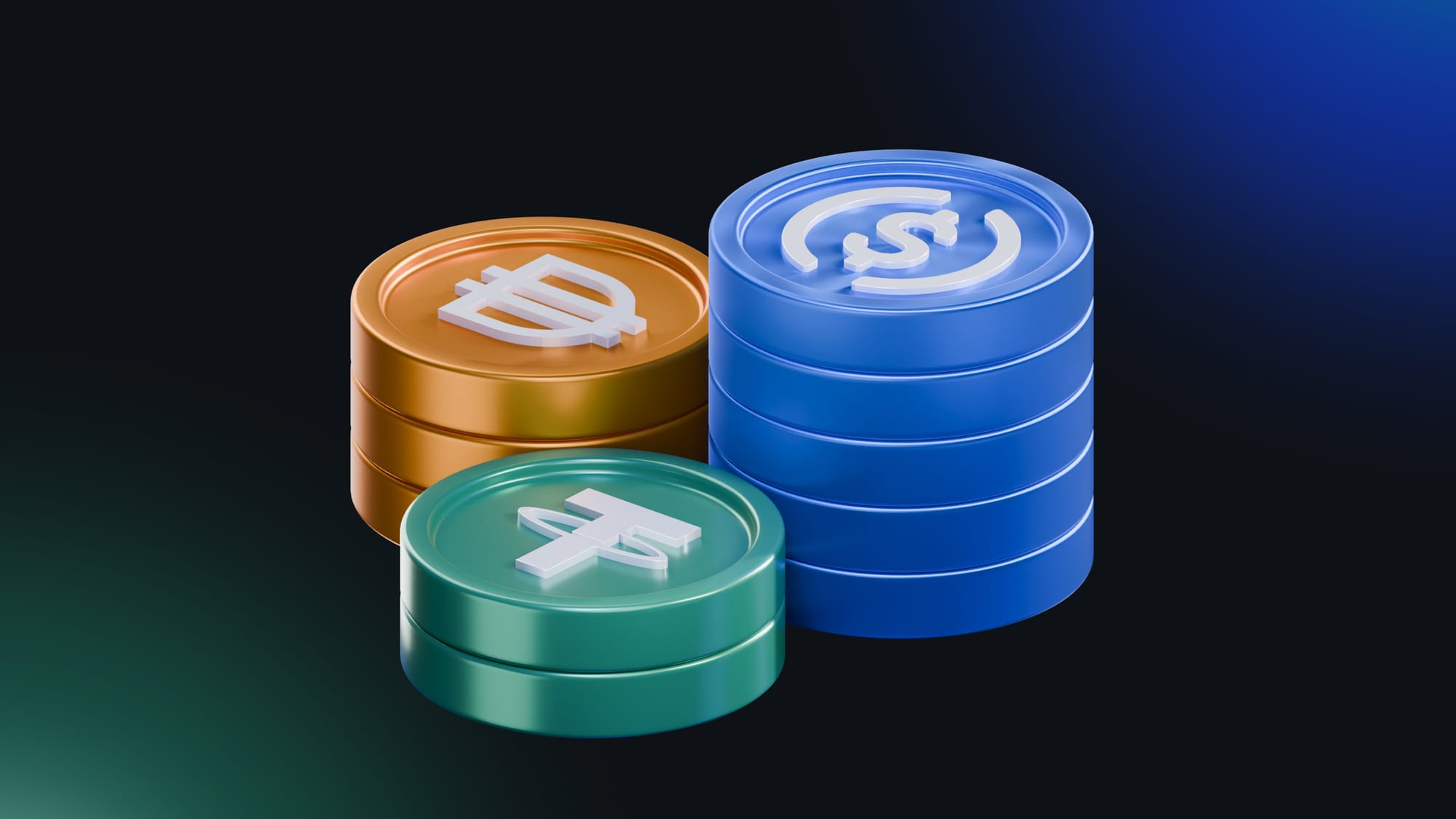
Don’t stream a single asset. Diversification is your primary hedge against volatility. If you are paying for services, consider streaming stablecoins to avoid value erosion. If you are earning yield or paying in volatile assets, balance your streams across different token types. This prevents a single asset’s crash from wiping out your entire streaming position.
Streaming is continuous, but your risk management should be active. Set up automated stop-loss orders or use protocols that allow you to pause or adjust streams instantly if the underlying asset’s price drops below a certain threshold. This ensures you aren’t overpaying for a service or under-receiving value during market downturns.

On networks like Ethereum, gas fees can eat into the value of small streams. Choose a Layer 2 solution like Arbitrum or Optimism for cost-effective streaming. Regularly monitor gas prices and adjust your stream amounts to ensure the transaction costs remain proportional to the value being transferred.
By following these steps, you create a robust framework for DeFi streaming. The goal is not just to automate payments, but to do so with a layer of security and flexibility that protects your capital in an unpredictable market.
Common questions about DeFi streams
DeFi streaming tools like Superfluid or Flux are still niche infrastructure. Users often ask about security, taxes, and technical hurdles before integrating them.
No comments yet. Be the first to share your thoughts!