Define your data requirements
The DeFi ecosystem is vast, but your operational reality is not. You do not need to monitor every protocol on every chain. Trying to ingest live market data from thousands of sources creates noise, obscures critical signals, and unnecessarily expands your attack surface for API key leaks.
Begin by listing the specific assets and metrics that directly impact your current strategy. Are you tracking liquidity depth on Uniswap V3, or do you need real-time price feeds for a MakerDAO vault? Be specific. If you are building a dashboard for a single trading pair, ignore the broader market until that core data stream is stable and verified.
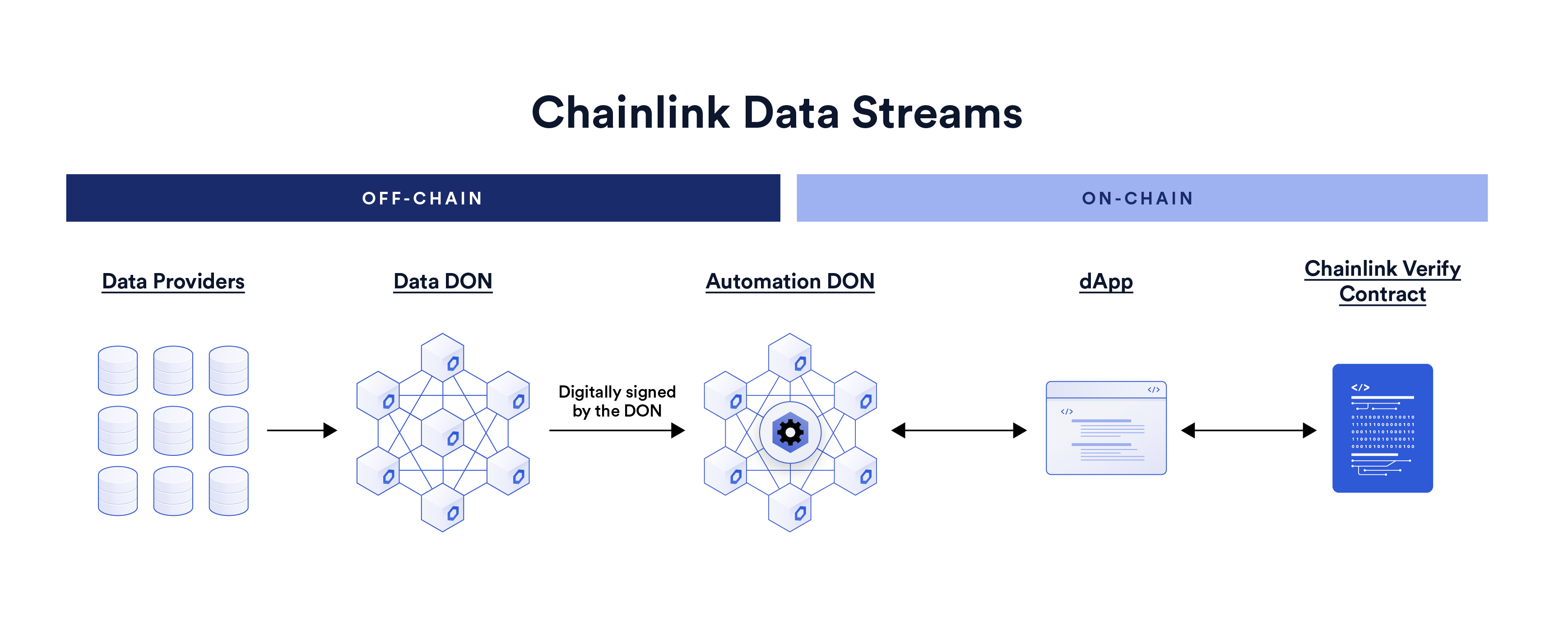
Choose your primary data source carefully. For on-chain data, official protocol subgraphs or established oracles like Chainlink are the standard. For off-chain exchange data, use the official API documentation for the specific exchange. Relying on unofficial or third-party aggregators for high-stakes trading decisions introduces latency and potential data integrity risks.
Once you have identified the single most critical data point, set up the stream. Test it in isolation. Verify that the data matches the official source before adding secondary metrics. This disciplined approach prevents tool sprawl and ensures that when your system goes live, it is monitoring what actually matters.
Choose your data provider
On-chain data streams are the lifeblood of DeFi, but not all pipes are created equal. Choosing a provider is less about finding the cheapest feed and more about securing the integrity of your entire stack. A single corrupted data point can trigger liquidations or drain liquidity pools, so you must prioritize official documentation and security audits over convenience or flashy marketing.
Start by identifying the category that fits your use case. Aggregators like Chainlink offer broad coverage and battle-tested security, making them ideal for high-value applications. Dedicated oracle networks often provide lower latency for specific assets, while direct node access gives you full control but requires significant infrastructure maintenance. The trade-off is always between ease of integration and the level of trust you place in the intermediary.
Before committing to a contract, verify the provider’s security model. Look for independent audits, bug bounty programs, and historical uptime records. Avoid providers that rely on centralized servers for critical price feeds unless you have a robust fallback mechanism. The cost of switching providers after deployment is often higher than the initial integration effort, so do the due diligence now.
| Provider Type | Latency | Cost Model | Data Depth |
|---|---|---|---|
| Aggregators (e.g., Chainlink) | Medium | Per-request/Subscription | Broad (1000+ assets) |
| Dedicated Oracles (e.g., Pyth) | Low | High-throughput fees | High (Real-time market data) |
| Direct Node Access | Variable | Infrastructure + Gas | Custom/Full history |
For developers looking to build or test these workflows locally, having the right tools on hand can streamline the debugging process. Consider equipping your setup with resources that help you understand the underlying mechanics of decentralized finance.



As an Amazon Associate, we may earn from qualifying purchases.
Connect the data stream
Establishing a live connection to a DeFi data provider is the most fragile link in your workflow. A broken pipe or a misconfigured authentication token can leave your analysis blind or, worse, expose your private keys to exploitation. This section walks through the exact sequence for authenticating and connecting your environment to a reliable data feed.

Navigate to your provider’s developer portal and generate a new API key pair. Most reputable DeFi data providers, such as those outlined in Fireblocks Academy, require you to whitelist your server’s IP address before the keys become active. Never store these credentials in your client-side code or version control systems. Use environment variables to keep your secrets isolated from your application logic.
Before writing complex logic, test the provider’s WebSocket or REST endpoint using a simple curl command or a tool like Postman. Confirm that the latency meets your needs and that the data format matches your expected schema. If the endpoint returns a 403 Forbidden error, double-check your IP whitelist settings. This step prevents hours of debugging later when your live dashboard fails to load.
DeFi networks are volatile, and data providers experience outages. Your code must handle disconnections gracefully. Implement an exponential backoff strategy for reconnection attempts to avoid overwhelming the server or triggering rate limits. A robust connection layer should automatically recover from temporary network interruptions without requiring a manual restart of your analysis environment.
Once connected, run a quick validation check against a known block height or ticker price. This ensures your stream is not just connected, but actually receiving accurate, up-to-date information. If the data is stale or malformed, disconnect immediately and investigate. Trust, but verify, especially when dealing with high-stakes financial data.
Validate data accuracy
In DeFi, a delayed or manipulated price feed can drain a wallet in seconds. Before you connect any stream to a live trading bot, you must verify that the data is both current and untampered. This section walks you through the essential checks to ensure your market data workflow is trustworthy.
1. Check timestamp freshness
Market data streams are only useful if they are recent. Check the timestamp field in each data packet. If the timestamp is more than a few seconds behind the current system time, the stream is lagging. Lagging data in high-frequency trading is equivalent to trading on yesterday’s prices. Set up an alert for any packet that falls outside your acceptable latency window.
2. Verify source integrity
Ensure the data is coming from the expected oracle or exchange endpoint. Malicious actors can sometimes spoof API responses. Use HTTPS and verify the SSL certificate. If you are using a decentralized oracle like Chainlink, check the aggregated data against the official documentation to confirm it matches the consensus of multiple nodes.
3. Cross-reference with a secondary source
Never rely on a single data point. Compare the price from your primary stream against a secondary source, such as a major exchange API or a different oracle provider. If the prices diverge by more than a small percentage (e.g., 0.1%), pause your bot and investigate. This simple step can prevent catastrophic losses from flash crashes or data errors.
4. Test with small amounts
Before committing significant capital, run your workflow with a minimal amount of funds. Observe how the bot reacts to the data stream in real-time. Look for any unexpected trades or execution delays. This live test is the only way to confirm that your data validation logic holds up under actual market conditions.
Monitor and secure access
Treating your DeFi stream as a static dashboard is a common mistake. Market data is a living pipeline, and your security posture must be equally dynamic. A leak in your API keys or a sudden spike in request volume can expose your strategy or drain your budget before you notice.
To keep the stream stable and safe, follow this operational routine:
Never share your private keys or full API secrets in public forums or unencrypted channels. In DeFi, a single compromised credential can lead to irreversible fund loss.
Finally, track your usage metrics. Most providers offer tiered pricing based on data volume. By setting alerts for 80% of your monthly quota, you avoid surprise overages while ensuring your stream doesn’t drop critical data during peak market hours.
Common defi data: what to check next
Live market data is the lifeline of any DeFi workflow, but it introduces specific technical and security hurdles. Here are the most frequent questions we receive about maintaining reliable streams.
No comments yet. Be the first to share your thoughts!