Get DeFi stream right
Before you touch a liquidity pool or audit a protocol, you need to understand the infrastructure that keeps DeFi running. DeFi is an open and global financial system built for the internet age, meaning it relies on public blockchains rather than centralized servers. If your data streams are delayed or your liquidity analysis is off, you aren’t just losing money—you’re missing the trade entirely.
Start by selecting a reliable data provider. Ethereum.org notes that DeFi requires real-time access to on-chain state. You need APIs that return block-level accuracy, not aggregated daily summaries. Check if the provider supports the specific chains you’re trading on. If you’re analyzing Ethereum, make sure your feed includes Layer 2 rollups. If you’re on Solana, verify the RPC node latency.
Next, define your risk tolerance. DeFi is legal in the US, but it is high-stakes. There are no chargebacks. Your first task is to set up a test environment. Use a small amount of capital to verify that your data streams match the blockchain explorer. If your dashboard says a transaction is confirmed but the blockchain doesn’t show it, your stream is broken. Fix this before deploying real capital.
Finally, map out your error handling. Network congestion happens. Smart contracts revert. Your system must handle these gracefully. Don’t assume the data is perfect. Always cross-reference with at least one secondary source. This basic hygiene separates professional analysis from gambling.
Set up your DeFi stream infrastructure
Real-time data and liquidity analysis require a reliable connection to on-chain networks. Without proper infrastructure, you risk missing critical price movements or liquidity shifts that define DeFi opportunities. This section walks you through the essential steps to build a functional stream, from selecting your network to verifying data accuracy.

Start by selecting the blockchain that hosts the assets you intend to analyze. Ethereum remains the dominant layer for high-value liquidity, while networks like Arbitrum or Solana offer lower fees for high-frequency streams. Your choice dictates the API endpoints and node requirements you will need. Prioritize networks with deep liquidity pools if your strategy relies on large capital movements, as slippage can erode profits on smaller chains.
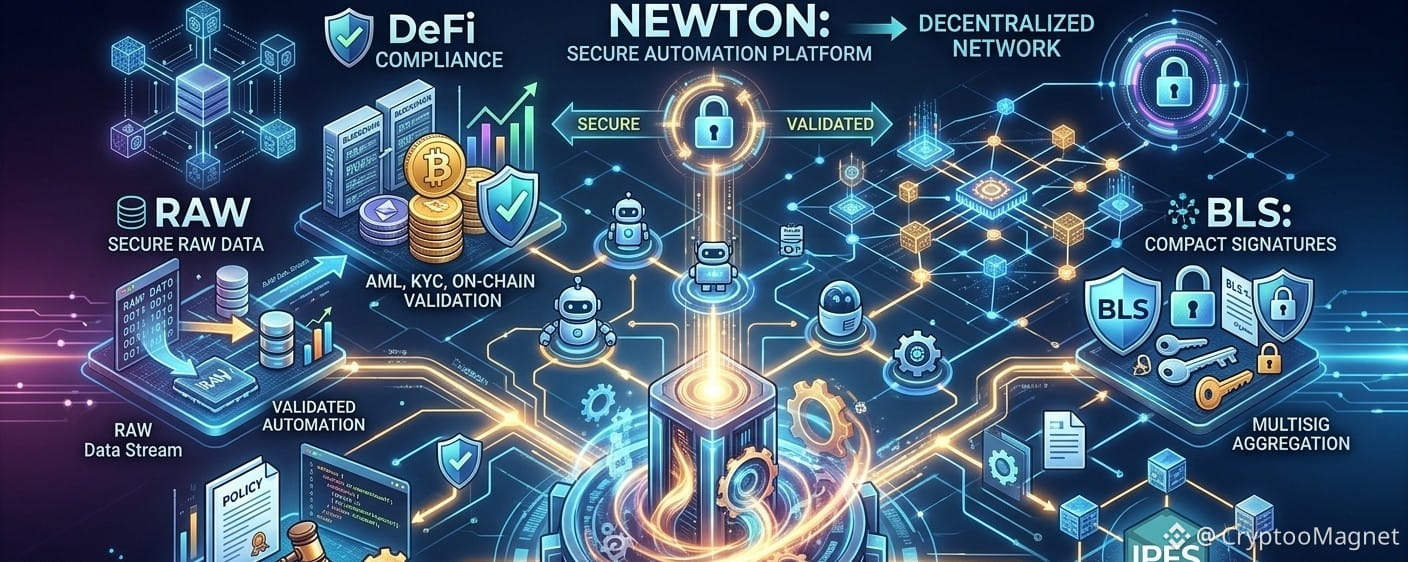
Connect to a data oracle or indexer that offers real-time updates on token prices and pool reserves. Providers like Chainlink or The Graph provide the necessary infrastructure to fetch accurate on-chain state without querying the blockchain directly every time. Evaluate providers based on their update frequency and historical uptime. A delayed stream is worse than no stream, as stale data leads to failed transactions or missed arbitrage opportunities.

Generate secure API keys from your chosen provider and configure your software to request data at optimal intervals. For liquidity analysis, you may need to poll specific pool addresses every few seconds. Implement rate limiting in your code to avoid hitting provider caps, which can temporarily block your access. Store your keys in environment variables, never in your source code, to prevent accidental exposure of your infrastructure credentials.
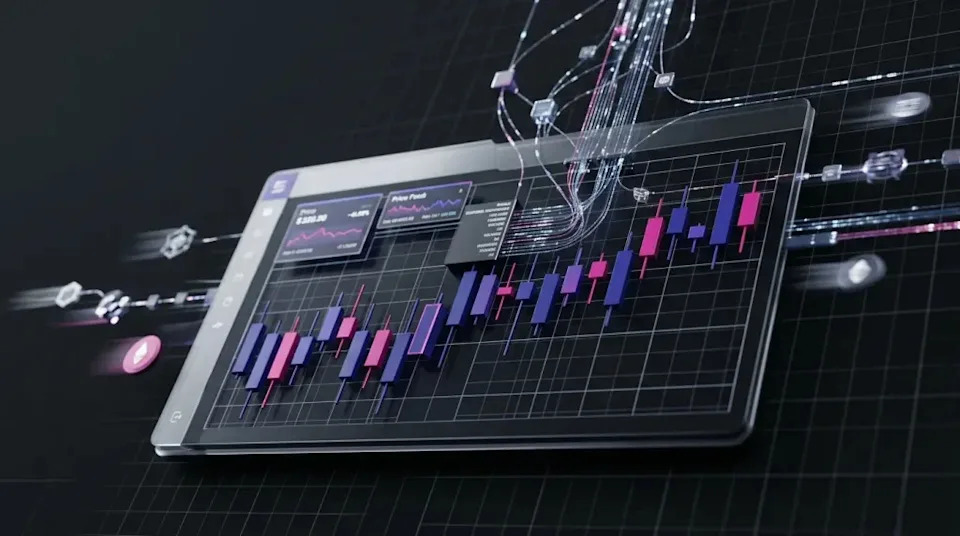
Before committing capital, run a validation check by comparing your stream’s output against a block explorer like Etherscan. Look for discrepancies in token balances or price feeds. If your stream reports a price that differs significantly from the spot market, investigate the oracle’s source or your API configuration. This step ensures that your infrastructure is not only connected but also accurate and trustworthy.

Set up alerts for latency spikes or connection drops. In DeFi, milliseconds matter. Use a monitoring tool to track the time between a block event and your receipt of the data. If latency exceeds your strategy’s threshold, switch to a backup provider or node. Continuous monitoring allows you to maintain performance during high-volatility periods when network congestion is most likely to occur.
Fix common DeFi mistakes
Even with robust stream infrastructure, human error remains the primary cause of liquidity loss. In 2026, the complexity of real-time data feeds and cross-chain liquidity routing introduces new failure points. The following mistakes frequently undermine otherwise sound strategies.
Ignoring oracle latency. Stream infrastructure relies on price feeds to trigger actions. If you assume real-time data is instantaneous, you may execute trades during flash crashes or manipulation events. Always verify the update frequency of your oracle sources against the volatility of the asset.
Overlooking slippage tolerance. When routing liquidity through multiple pools, slippage accumulates. Setting a static tolerance without dynamic adjustment leads to failed transactions or unfavorable execution prices. Monitor the depth of the liquidity pool before committing funds.
Neglecting smart contract risk. Stream protocols often interact with multiple contracts. A vulnerability in one layer can drain the entire stream. Audit reports are essential, but they are not guarantees. Diversify exposure across verified, battle-tested protocols rather than concentrating capital in new, unaudited streams.
Defi stream infrastructure: practical: what to check next
Before integrating real-time data or liquidity streams, clarify the operational realities. Decentralized finance (DeFi) moves fast, and the infrastructure choices you make today define your risk exposure tomorrow. Here are the direct answers to the most common strategic objections.
Helpful gear
Use these product recommendations as a starting point, then choose the size, material, and price point that fit how you actually use the gear.



As an Amazon Associate, we may earn from qualifying purchases.
No comments yet. Be the first to share your thoughts!