What DeFi stream analysis means
DeFi stream analysis is the continuous monitoring of real-time liquidity, yield, and oracle data flows to assess protocol health and risk. Unlike traditional static metrics that snapshot a protocol’s total value locked (TVL) at a single point in time, stream analysis focuses on the velocity and direction of capital.
This approach treats liquidity not as a stored asset, but as a moving current. A protocol might show high TVL, yet if the stream of new deposits has stalled or reversed, the underlying health is deteriorating. By tracking these flows, analysts can detect liquidity crunches, yield farming exhaustion, or oracle manipulation attempts before they trigger a cascade.
The infrastructure for this analysis relies on low-latency data feeds. Providers like Chainlink Data Streams offer the real-time market data necessary to power these onchain innovations, allowing developers and analysts to see exactly where capital is entering or exiting a pool. This granular visibility is essential for high-stakes finance, where milliseconds matter and static dashboards often tell a misleading story.
Core Infrastructure for Real-Time Data
DeFi protocols live and die by the accuracy of their data feeds. When you are executing trades or managing collateral in high-stakes environments, a delay of even a few seconds can mean the difference between profit and liquidation. This is why the backbone of stream analysis isn't just software—it is the low-latency oracle infrastructure that delivers market prices directly to the blockchain.
The standard for this infrastructure is Chainlink Data Streams. Unlike traditional oracles that aggregate data on-chain at set intervals, Data Streams provides continuous, real-time updates. This architecture is designed specifically for the speed requirements of decentralized applications, ensuring that smart contracts have access to the most current market data without the latency bottlenecks of older systems.
To understand why this matters, look at the volatility inherent in these markets. The chart below illustrates the rapid price swings that make real-time data non-negotiable for serious analysis.
Without this level of precision, protocols are exposed to manipulation and stale pricing errors. The infrastructure must be robust enough to handle sudden market shifts, providing a reliable stream of truth that traders and developers can trust. This is not about convenience; it is about the fundamental security of the financial instruments being traded.
For those looking to build or analyze these systems, having the right tools is essential. The following products can help you monitor and manage these data streams effectively.



As an Amazon Associate, we may earn from qualifying purchases.
Key Tools for Monitoring Liquidity
Tracking DeFi streams requires more than just watching a price chart. You need visibility into total value locked (TVL), liquidity depth, and protocol health in real-time. Relying on a single data source leaves you blind to hidden risks or sudden liquidity drains.
The landscape is dominated by a few specialized platforms that aggregate on-chain data. Each serves a different purpose, from quick TVL snapshots to deep-dive compliance audits. Choosing the right tool depends on whether you are monitoring a specific protocol like Stream Finance or scanning the broader market for anomalies.
| Platform | Primary Focus | Data Latency | Cost |
|---|---|---|---|
| DefiLlama | TVL & Protocol Metrics | Near-real-time | Free |
| Nansen | Smart Money Tracking | Real-time | Paid |
| Dune Analytics | Custom SQL Queries | Variable | Freemium |
| Arkham Intelligence | Entity Visualization | Real-time | Freemium |
DefiLlama remains the standard for quick TVL checks. It provides accurate, aggregated data across hundreds of protocols without requiring an account. For traders who need to identify where "smart money" is flowing, Nansen offers labeled wallet data that reveals institutional movements. If you need to verify specific contract interactions, Dune Analytics allows you to write custom SQL queries against the blockchain.
For high-stakes decisions, combine these tools. Use DefiLlama for the big picture, Nansen for sentiment, and Dune for granular verification. This layered approach ensures you are not misled by a single platform's data gaps or indexing delays.
Lessons from the Stream Finance Collapse
The collapse of Stream Finance in 2025 serves as a stark reminder that DeFi stream analysis cannot rely solely on on-chain metrics. The protocol’s failure was not caused by a simple smart contract exploit, but by a complex web of off-chain risks and opaque yield strategies that went undetected by standard monitoring tools. When xUSD de-pegged, it triggered a cascade of liquidations across multiple DeFi protocols, highlighting the interconnected nature of modern decentralized finance.
Stream Finance relied on strategies that were difficult to audit in real-time. The protocol’s reliance on off-chain activities and complex yield mechanisms created a black box that masked underlying vulnerabilities. This opacity allowed risks to accumulate until they reached a breaking point, resulting in a $93 million loss that rippled through the broader DeFi ecosystem. The incident underscores the importance of stress testing and off-chain risk assessment in any comprehensive DeFi analysis framework.
The ripple effect of the Stream Finance collapse demonstrated how quickly contagion can spread in a highly leveraged environment. Protocols that had minimal direct exposure to Stream Finance still suffered significant losses due to correlated asset movements and liquidity crunches. This event forced the community to rethink how they assess counterparty risk and the stability of stablecoin mechanisms in DeFi.
To avoid similar pitfalls, analysts must look beyond surface-level on-chain data. This includes examining the underlying assets backing stablecoins, the transparency of yield generation strategies, and the potential for off-chain interventions. The Stream Finance case is a critical lesson in why robust DeFi stream analysis must incorporate both on-chain and off-chain risk factors to provide a true picture of protocol health.
Building a DeFi Stream Strategy
Integrating stream analysis into your investment workflow requires moving beyond passive monitoring to active, automated risk management. The goal is to treat liquidity streams as real-time data feeds that dictate position sizing and exit timing. By anchoring your strategy to specific infrastructure components, you reduce exposure to the opaque risks inherent in decentralized finance.
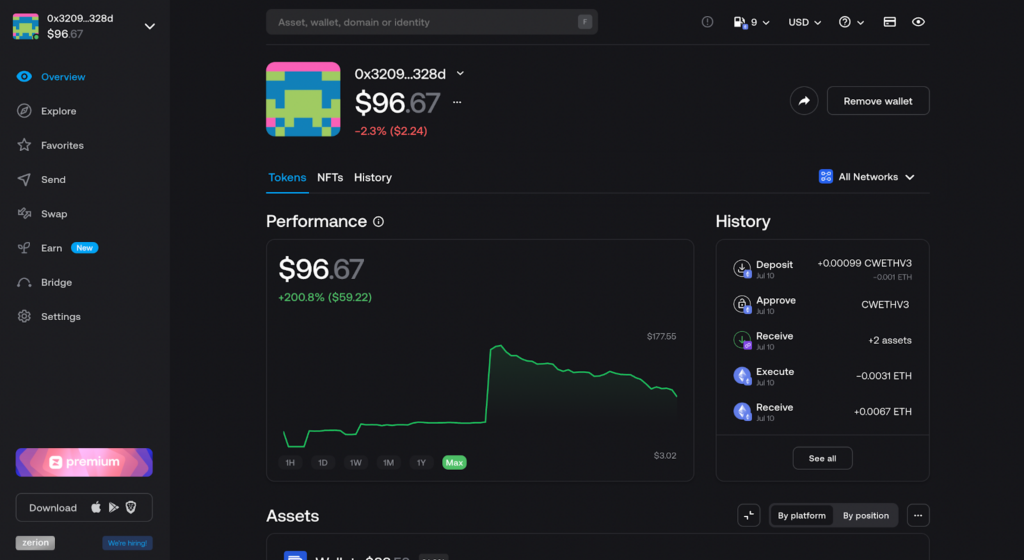
Start by selecting a primary analytics platform that offers compliance tools and advanced user interfaces. Research from MDPI highlights the importance of comparing platforms based on their ability to provide clear, actionable data rather than raw, unprocessed metrics. Choose tools that integrate directly with your wallet to minimize manual data entry errors.
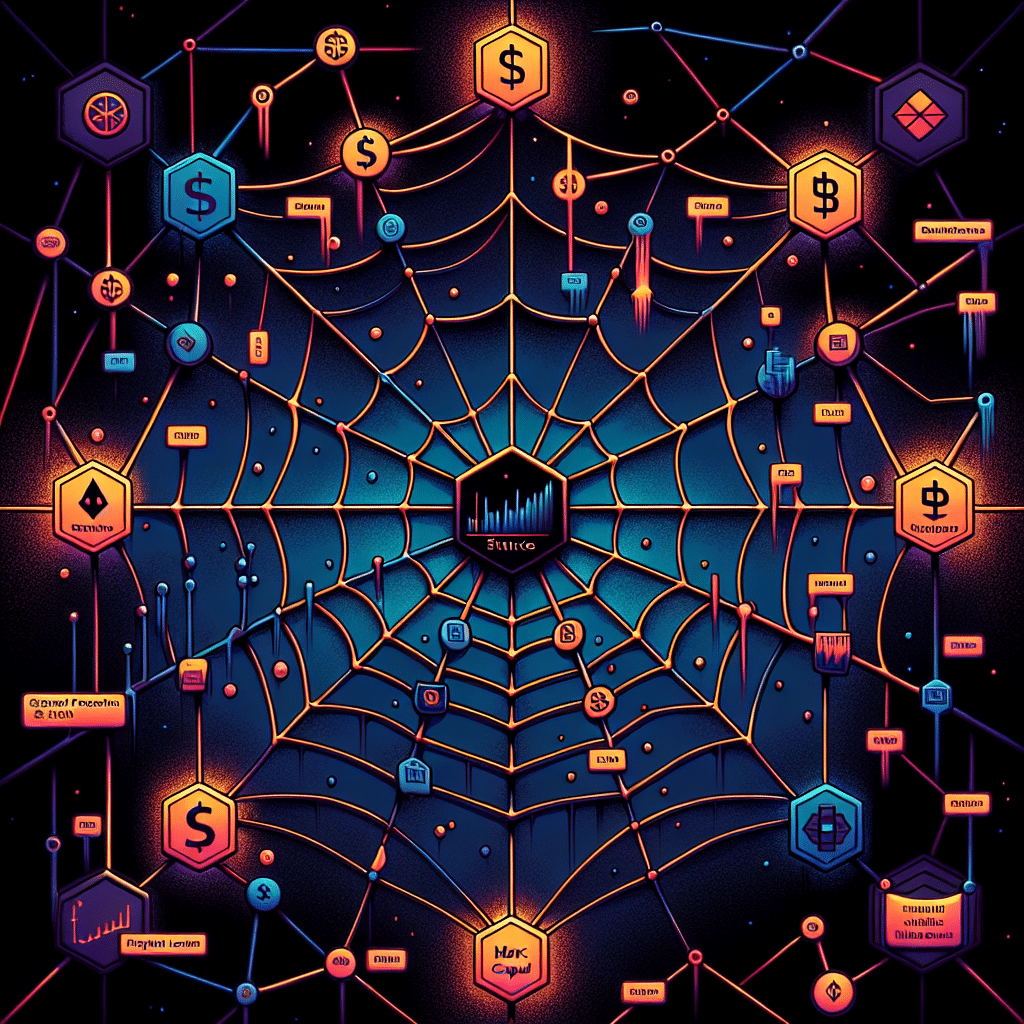
Set up automated alerts for sudden drops in liquidity or unusual transaction volumes. These anomalies often precede significant price movements or smart contract exploits. Use technical charts to visualize these streams alongside standard price action to identify divergences that signal weakening market conviction.
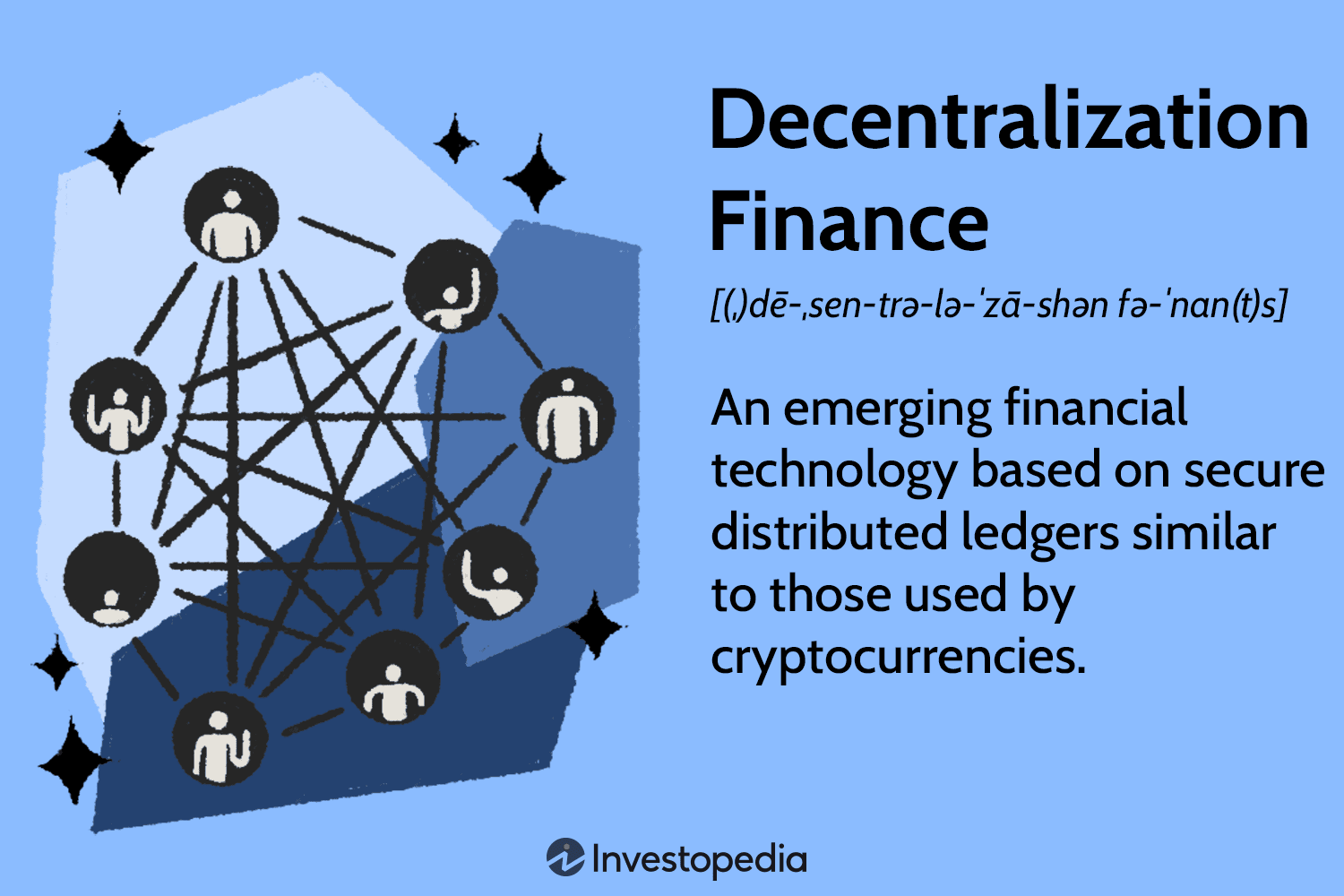
Pair your stream analysis with live provider-backed widgets to ensure your decisions are based on current market conditions. Static data can be misleading in DeFi, where volatility is extreme. Use these tools to verify that the liquidity you are analyzing aligns with broader market trends and asset performance.
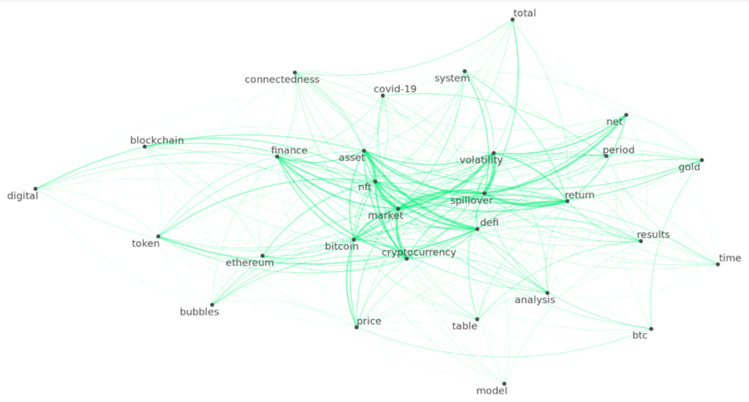
Define specific triggers for exiting positions based on stream data, not just price targets. For example, if a protocol’s liquidity stream shows a sustained decline over a set period, trigger a partial exit regardless of current profitability. This disciplined approach prevents emotional decision-making during high-stress market events.
No comments yet. Be the first to share your thoughts!