What defines modern DeFi streaming
Traditional DeFi transactions are binary: you approve a smart contract, sign a transaction, and wait for confirmation. The value moves from point A to point B in a single, discrete event. DeFi streaming changes this geometry. Instead of a one-off transfer, value flows continuously over time, much like a utility bill or a salary paid by the second.
This shift transforms the "stream" into the core infrastructure layer for modern decentralized finance. Rather than locking capital in static positions, users can deploy assets that unlock incrementally based on usage, time, or performance metrics. This allows for granular control over liquidity, enabling scenarios like paying for cloud compute per second or distributing revenue shares in real-time.
The distinction matters because it changes how we think about financial primitives. In a streaming model, the transaction is not the end goal; it is the mechanism of delivery. This continuous flow reduces the friction of settlement and aligns incentives more closely with actual usage, moving DeFi closer to the fluidity of traditional fiat systems while retaining the transparency of the blockchain.
The five layers of DeFi infrastructure
DeFi isn't a single platform; it is a stack. To understand where DeFi Stream fits, you need to see the technical layers underneath. The ecosystem is generally divided into five distinct strata, each handling a specific part of the transaction lifecycle.
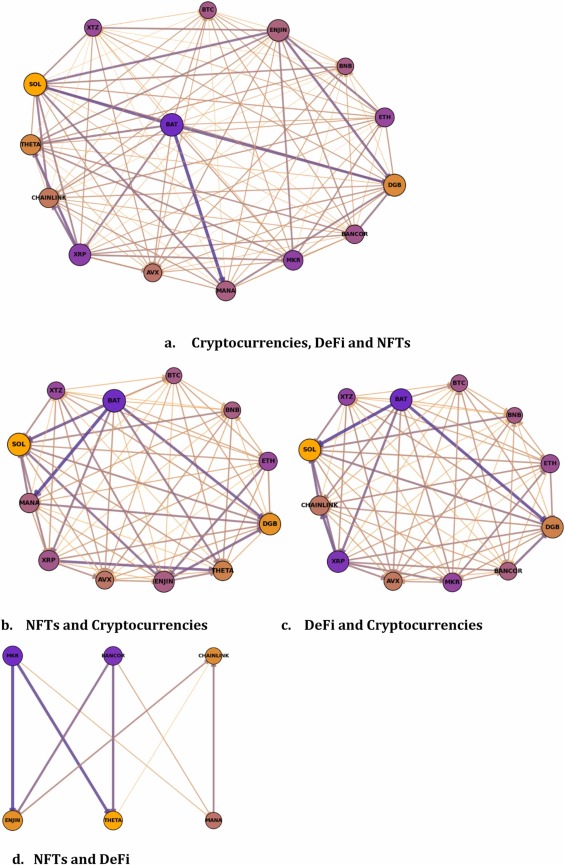
Settlement is the foundation. This layer consists of the underlying blockchains, such as Ethereum or Solana, which provide the security and finality for all transactions. Without this base, no data or value can move.
Asset sits directly on top. This layer handles the tokenization of value, including native coins like ETH or stablecoins like USDC. It ensures that the digital representation of money is standardized and recognizable across the network.
Protocol introduces financial logic. Smart contracts here manage lending, borrowing, or liquidity pools. This is where the DeFi Stream protocol often operates, allowing for continuous, on-chain cash flows rather than static transfers.
Application is what users interact with. These are the front-end interfaces and dApps that wrap the complex protocols into usable dashboards. They handle the user experience, while the heavy lifting happens in the layers below.
Aggregation ties it all together. Aggregators pull liquidity and data from multiple sources to give users the best rates or most comprehensive views. They act as the final layer of convenience, simplifying the fragmented nature of the DeFi Stack.
Top DeFi Stream Tools and Protocols
Choosing the right infrastructure depends on whether you need to lend, borrow, or stake assets. DeFi streams are not one-size-fits-all; they require matching your specific yield or liquidity goals to a protocol's risk profile. Below, we compare the leading platforms that define the current DeFi stream landscape.
Lido (Liquid Staking)
Lido dominates the liquid staking sector, allowing users to stake ETH while retaining liquidity through stETH. This is essential for streamers who want yield without locking up capital. It integrates deeply with other DeFi protocols, making it a foundational layer for many strategies.
Aave (Lending and Borrowing)
Aave remains the premier lending protocol for DeFi streams. Its variable and stable rate models allow users to earn yield on deposits or borrow against collateral. The protocol's maturity and security audits make it a reliable choice for high-volume streams.
Uniswap (Decentralized Exchange)
As the leading decentralized exchange, Uniswap facilitates the liquidity needed for efficient DeFi streams. Its concentrated liquidity model allows for tighter spreads and better capital efficiency, which is critical for traders and liquidity providers in the stream ecosystem.
Comparison Table
| Protocol | Primary Function | Risk Level | Best For |
|---|---|---|---|
| Lido | Liquid Staking | Medium | Yield without lockups |
| Aave | Lending/Borrowing | Low-Medium | Stable yield or leverage |
| Uniswap | DEX Liquidity | Medium | Trading and LP fees |
Hardware Wallets for Stream Management



As an Amazon Associate, we may earn from qualifying purchases.
Market Context
Tracking DeFi Stream volume and liquidity
Measuring the health of a DeFi stream guide requires looking beyond simple price action. You need to track how much capital is actually flowing through protocols and how deep the liquidity pools are. This data tells you whether a stream is sustainable or if it’s just a temporary spike in volume.
Start by monitoring total value locked (TVL) and daily streaming volume on major decentralized exchanges. These metrics reveal where capital is moving. A rising TVL with steady volume suggests organic growth, while sudden volume spikes without corresponding liquidity depth often signal speculative activity or potential instability.
Use live charts to visualize these trends. Watching the ETH/USDC pair, for example, gives you a real-time pulse on the broader DeFi market. If the DeFi stream guide you’re analyzing relies on ETH liquidity, this chart becomes your primary reference point for assessing market depth.
Don’t rely on static screenshots. Use provider-backed widgets to see current prices and chart patterns. This ensures your analysis reflects the live state of the market, which is critical for high-stakes DeFi decisions.
Building a resilient DeFi stream strategy
Creating a reliable DeFi stream guide requires more than just finding the highest yield. You need a foundation that can withstand market volatility and smart contract failures. Treat your infrastructure like a supply chain: one weak link breaks the whole chain.
Before integrating any streaming protocol, verify its audit history. Look for reports from reputable firms like CertiK or OpenZeppelin. Unaudited code is a gamble, not a strategy. If a protocol lacks a public audit, assume it is risky.
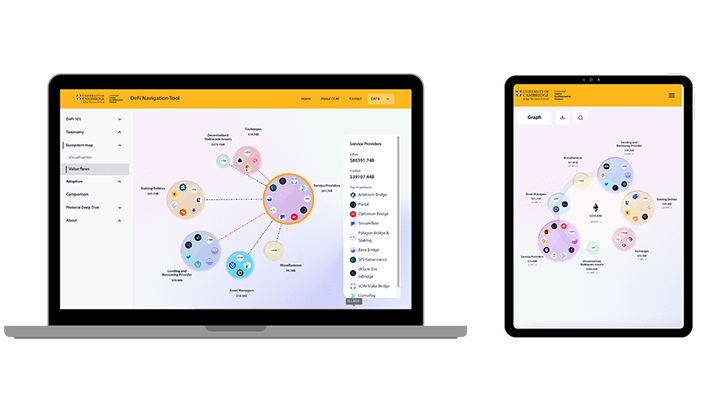
Do not rely on a single node provider or oracle. If one goes down, your streams stop. Use multiple providers for price feeds and data validation to ensure your DeFi stream guide remains accurate even during network congestion.
Use tools like Dune Analytics or Etherscan to track protocol health. Watch for unusual withdrawal patterns or sudden changes in total value locked (TVL). These metrics often signal trouble before it hits the news.
A resilient strategy also means understanding the layers you are building on. As noted in industry analyses, the DeFi stack includes settlement, asset, protocol, application, and aggregation layers [1]. Each layer has different risk profiles. Your stream strategy should account for the specific vulnerabilities of each layer you interact with.
Finally, keep your exposure limited. Never allocate more capital to a single streaming protocol than you can afford to lose. DeFi is still developing and comes with inherent security risks [2]. A conservative approach protects your gains when the market turns.
[1] Hedera. "What are the 5 layers of DeFi?" https://hedera.com/learning/defi-stack/ [2] Investopedia. "Is DeFi still a thing?" https://www.investopedia.com/decentralized-finance-defi-5113835
Common questions about DeFi streaming
DeFi streaming is still evolving, and it’s normal to have questions about how the technology actually works. Below are answers to the most frequent queries from our research, focusing on the practical structure of the ecosystem and its current maturity.
No comments yet. Be the first to share your thoughts!